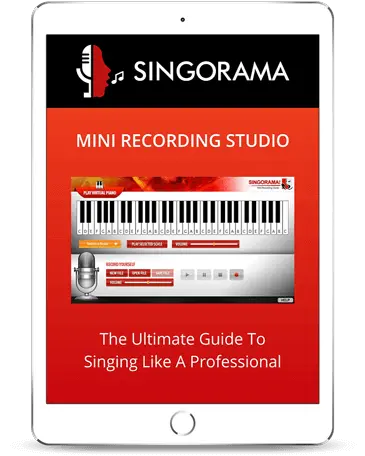
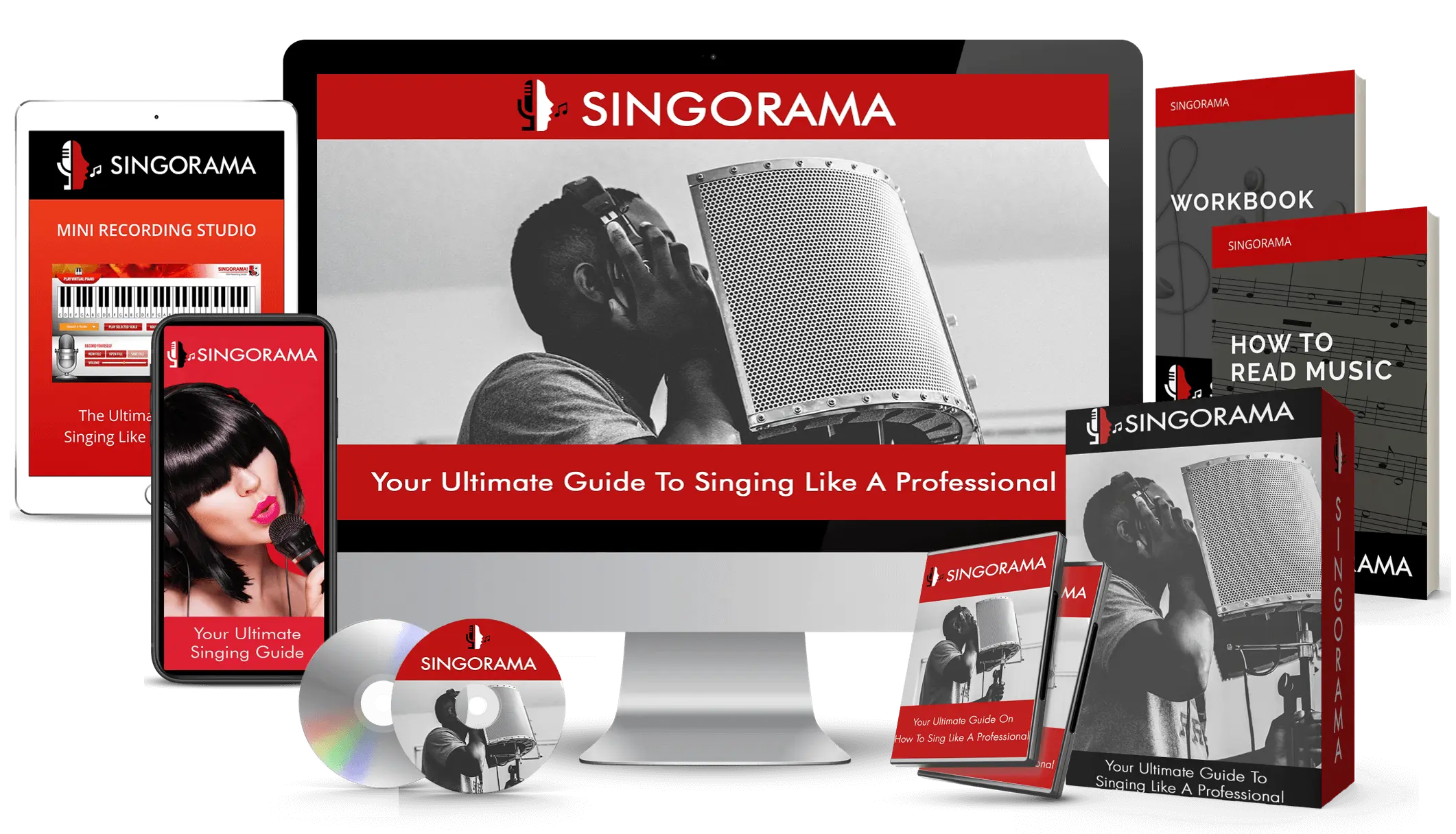
Singorama works by guiding users through a structured progression of vocal exercises that build foundational skills first and then move toward more advanced control. The system is designed so that each lesson builds on the previous one, creating a sense of steady improvement.
Lessons typically include audio demonstrations, written explanations, and practice instructions. Users are encouraged to practice regularly, even if only for short sessions. Consistency is emphasized over intensity, which aligns with research on skill acquisition and habit formation.
The program focuses on three main areas. Pitch accuracy, vocal strength, and confidence. Rather than isolating these skills, Singorama integrates them into exercises that feel practical and achievable.
Step by Step Learning Structure
Singorama begins with simple exercises that help users become aware of their voice. Early lessons focus on matching pitch and understanding how different sounds feel physically. This is important because many beginners have never paid attention to how their voice works.
As users progress, lessons introduce controlled breathing, vocal placement, and tone shaping. These are presented in plain language rather than technical terminology. For example, instead of complex anatomical explanations, users are guided to notice sensations and adjust accordingly.
Later stages introduce exercises that help with range expansion and smoother transitions between notes. These lessons are designed to be gradual so users do not feel overwhelmed or discouraged.
The Role of Muscle Memory and Vocal Coordination
A key concept in Singorama is muscle memory. Singing relies on small muscles in the throat, mouth, and diaphragm working together. When these muscles are trained consistently, they begin to respond automatically.
Singorama exercises are designed to create this automatic coordination. Repetition plays a major role, but it is structured repetition rather than mindless practice. Each exercise has a clear purpose and outcome.
This approach is similar to how physical therapy or sports training works. Over time, movements become more natural and efficient. For singers, this translates to better pitch control and less vocal strain.
Practice Methods Designed for Real Life Schedules
One of the strengths of Singorama is its flexibility. Lessons do not require long practice sessions. Many exercises can be completed in ten to fifteen minutes. This makes it easier for users to stay consistent.
The program acknowledges that most people have busy lives. Whether someone is working full time, raising kids, or managing other responsibilities, This program fits into existing routines.
This realistic approach is especially appealing to American users who often juggle multiple commitments. Instead of demanding perfection, Singorama encourages progress.